IDENTITY + ACCESSIs the requester recognized and permitted?
03 / HOW THE FABRIC WORKSExamine the binding decision, the control plane, and the endpoint-to-endpoint data plane.
What makes KnectIQ different
Prevent the harm. Enable trusted interactions.
SelectiveTRUST® adds a customer-governed authorization prerequisite to protected interactions. Existing identity, access, and security tools inform your rules, but credentials or permissions alone cannot establish a trust binding. Deploy through supported APIs, SDKs, and Kubernetes integrations without replacing your security stack.
NO WHOLESALE RIP AND REPLACE
Keep the technology you trust. Add owner-defined binding conditions that govern which protected interactions and actions may proceed.
Preserve existing investmentsIntegrate through APIs, SDKs + KubernetesGovern through your own trust fabric
ESSENTIAL CONTROLSYour security stack
NETWORK + ZERO TRUSTWhere may the request travel?
AGENT GOVERNANCEIs the agent behaving as intended?
MONITORINGWhat is happening?
Each answer is valuable evidence.
THE SOVEREIGN ENFORCEMENT LAYER
Does the owner authorize this interaction and action?
- 01Decided by the receiving owner
- 02Enforced before cryptographic binding
- 03Governed by the sovereign owner’s trust fabric
No wholesale replacement. No surrender of control.
Your fabric governs whether protected endpoints may interact. The control plane stays outside the payload path. Existing security systems remain in place.
Engineered for consequential environments
Built to integrate. Designed to endure.
Post-quantum ready
Implemented ML-KEM-768 and ML-KEM-1024 key-establishment capabilities.
Ephemeral, single-use encryption
The sending endpoint creates a unique payload key locally, encrypts, and immediately destroys the key. The control plane never holds payload keys or handles payloads.
Works with your stack
API, SDK, and Kubernetes-native integration across existing environments.
Independent technical evaluation under an AFRL contract. Read the executive summary
Schedule a technical briefingThe sovereign trust fabric
The owner sets the conditions. The fabric denies what fails.
Each owner deploys and operates its own sovereign trust fabric. Identity, security, and agent-governance systems provide inputs. The owner’s fabric evaluates and enforces binding rules.
ILLUSTRATIVE SCENARIO · THE REQUEST THAT NEVER REACHES THE CONTROL DEVICEMunicipal water controls
OUTSIDE REQUESTER
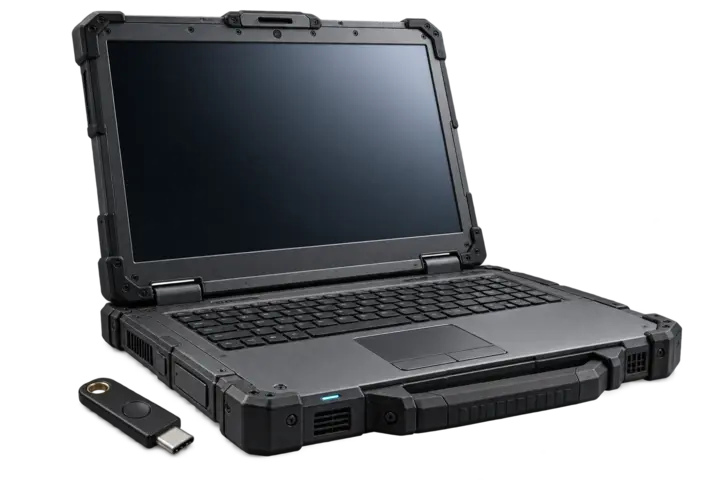
Rogue maintenance agent Recognized identity and access
INSIDE THE UTILITY’S ENVIRONMENT

01 · OWNER EVALUATION
Do our conditions permit this relationship?
- Approved device
- Authorized purpose
- Permitted control
- Valid time window
02 · BINDING
Not created
The owner refused the relationship.
03 · CONSEQUENCE

Controls remain unreachable
Operational and unchanged.
OWNER REFUSES
In this scenario the owner refuses. No binding is created, so the agent cannot connect, communicate or act through the trust fabric.
Built for the owner. SelectiveTRUST® is deployed and governed inside the owner’s environment.
Outside the payload path. KnectIQ is not an intermediary and does not inspect protected content.
Complementary by design. IAM, PAM, monitoring and detection provide inputs. The sovereign owner’s trust fabric governs and enforces the binding decision.